Why the First Price Is Rarely the Best Price
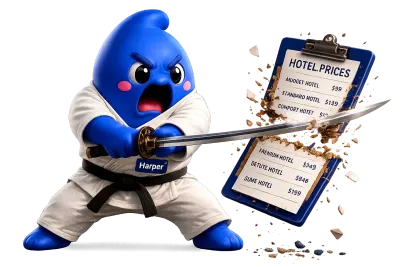
When you search for a hotel room, the rate that appears first is a starting point, not a final answer. Properties publish standard online fares knowing that most travelers will accept them without a second thought. Mastering hotel price negotiation starts with a simple realization: the price you see first is rarely the best one on the table.
Think of that initial quote as an opening offer rather than a fixed cost. Once you adopt that mindset, hotel price negotiation stops feeling like haggling and starts feeling like smart shopping — comparing what hotels are willing to accept rather than simply taking what they advertise.
How Hotel Price Negotiation Actually Works
Most booking sites hand you a single price and ask you to take it or leave it. Hotel price negotiation flips that model on its head. Instead of accepting whatever rate an algorithm surfaces, you state what you're willing to pay for a single room, and hotels respond with competing offers. The properties that want your dates come to you.
This is the idea behind name your price hotels: you set the terms, and the market responds. A room that might otherwise sit empty is suddenly worth filling at a rate you're comfortable with — a win for both you and the hotel.
Do Your Homework Before You Make an Offer
Strong negotiators never walk in blind. Before you submit a request, gather a few essentials:
- Your exact dates. Fixed check-in and check-out nights let hotels give you a real answer instead of a vague range.
- A realistic budget. Know the number you'd be happy to pay, and the stretch number you'd accept.
- Comparable rates. A quick scan of what similar properties charge keeps your offer grounded and credible.
With these details in hand, your hotel price negotiation becomes a conversation built on facts rather than a blind guess.
Tactics That Strengthen Your Offer
A few simple habits consistently improve results:
- Stay realistic. Hotels engage with offers near their range far more readily than they do with lowballs.
- Be flexible on dates. A midweek stay often unlocks a lower rate than a busy weekend.
- Survey the field first. Browse the negotiate hotel rates directory to understand what's available at your destination.
- Treat counteroffers as progress. When a hotel responds with a different number, they're still at the table — keep going.
Timing Matters More Than You Think
When you begin your hotel price negotiation can matter as much as how you go about it. Early movers tend to win on popular dates, while flexible travelers often land their best offers during slower stretches, when hotels are eager to fill rooms. If your schedule allows even a little wiggle room, say so — a property with empty rooms midweek will frequently sharpen its offer to win your stay.
Watch the calendar, steer clear of major holidays and event weekends when demand peaks, and let hotels know you're comparing options. Competition is the quiet engine behind every successful hotel price negotiation.
Mistakes That Quietly Cost You Money
Even careful travelers undercut their own hotel price negotiation without realizing it. Watch for these common missteps:
- Accepting the first quote. If a property counters, there's usually still room to move.
- Overlooking the fine print. Taxes, resort fees, and parking can quietly change the total.
- Waiting too long. As popular dates fill, your leverage shrinks along with the inventory.
Put Hotel Price Negotiation to Work
The beauty of this approach is how little effort it demands. You make one request, and hotels respond with their best single-room offers — no awkward phone calls, no endless back-and-forth across a dozen websites. It's how to negotiate hotel prices the straightforward way.
Ready to stop overpaying? Use the name your own price hotel form to tell hotels what you're willing to spend, then compare the offers that come back. Your next getaway doesn't have to cost full price.